top of page

TODOS OS PRODUTOS

Eventos futuros

The sad life of the infidel.

Another cause that leads to the loss of faith is the corruption of the heart,the slavery of the passions. You will find men who deny the immortality of the soul,who deny the eternity of hell,who deny the infallibility of the church. You will find men who deny the divine origin of confession. But why, my brethren, why? It is because these wholesome truths put a check to their passions. They cannot believe these truths and,at the same time,gratify their criminal desires. An honest,virtuous man would never think of doubting or contradicting these sacred truths. In spite of its innate pride,the mind is the slave of the heart. If the heart soars to heaven on the wings of divine love,the mind,too,rises with it. But if the heart is buried in the mire of filthy passions,it soon exhales dark,fetid vapors,which obscure the intellect. The infidel’s reason is the dupe of his heart. There is a man who was once a good Catholic,who used formerly to go regularly to Mass and to confession. Now he goes no longer to confession,now he is an infidel. But why?Has he, perhaps, become more enlightened?Has he received some new knowledge?No; the only new knowledge he has received, is the sad knowledge of sin. He believed as long as he was virtuous. He began to doubt only when he began to be immoral ;he became an infidel only when he became a libertine. The history of his life is soon told. Wishing to gratify his passions without restraint and without remorse,he tried to rid himself of a religion which would have troubled him in the midst of his unlawful pleasures. Religion appeared to him like the hand on the wall,writing his doom in the very midst of his senseless revelry. Human respect,and the gratification of his passions,are the only causes that induced him to become an infidel. To frequent the society of the wicked, of scoffers at religion, is, for many,another cause of losing the faith. A scoffer at religion is a man without principle,a man sunk in the grossest ignorance of what religion is. He blasphemed what he does not understand. He rails at the doctrines of the Church,without really knowing what these doctrines are. He sneers at the doctrines and practices of religion,because he cannot refute them. He speaks with the utmost gravity of the fine arts,the fashions,and even matters the most trivial,and he turns into ridicule the most sacred subjects. In the midst of his own circle of fops and silly women, he utters his shallow conceits with all the pompous assurance of a pedant. There is a young man. He was brought up a Catholic. He went everyday to a Catholic school until he made his first communion. He learned his catechism well. But his parents complain that he no longer says any morning or night prayers,that he goes no longer to confession, to holy communion,and to Mass on Sundays. Why not? It is because he frequents the society of wicked companions, who ridicule religion and scoff at everything sacred. “Evil communications corrupt good manners“; In the company of such wicked young men he soon feels ashamed of his religion,becomes quite indifferent to it,gives up every practice of piety,and finally becomes an infidel, a scoffed at religion himself.

(Michael Müller C.SS.R.; “God The Teacher of Mankind”)


Reflexões de Dom Vigano, diretor de Ente dello Spettacolo

Por Carmen Villa

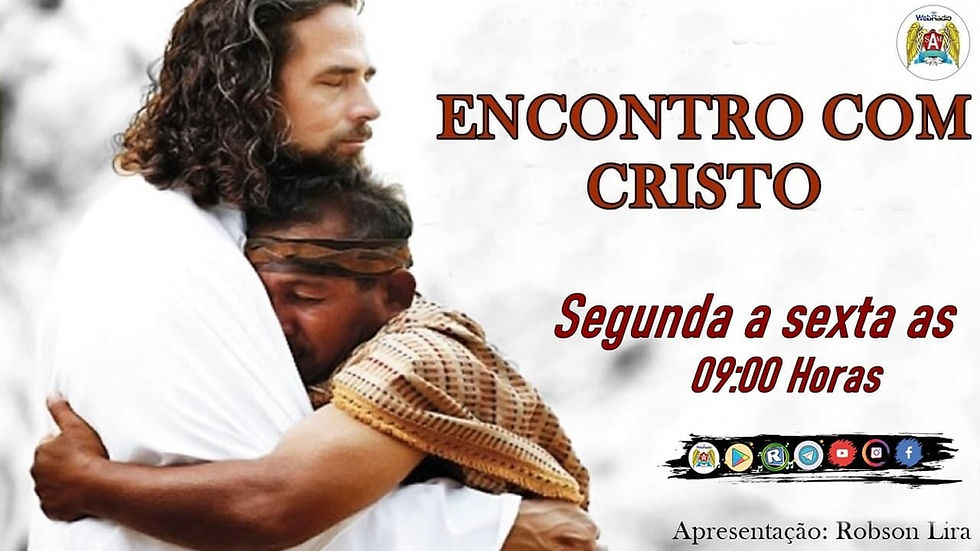
TRENTO, segunda-feira, 20 de outubro de 2008 (ZENIT.org).- Também se encontra Jesus no cinema, afirmou Dom Dario E Vigano, diretor de Ente dello Spettacolo e do instituto pastoral Redemptor Hominis, da Pontifícia Universidade Lateranense de Roma, em uma palestra dentro da Religion Today Filmfestival, que se leva a cabo de 16 a 31 de outubro na cidade de Trento (Itália) sobre o tema «A palavra se fez filme».

Nesta análise, publicada pelo jornal L’Osservatore Romano em 17 de outubro passado, o autor realizou um percurso dos diferentes filmes que mostram a presença de Jesus nos telões, começando por A Paixão de Cristo (1905) de Ferdinand Zecca e El Christus, de Giulio Antamoro, até as mais recentes produções de Hollywood.

Sobre as dificuldades que entranha a passagem do texto bíblico ao texto audiovisual, Dom Vigano assinalou a diferença entre «tradução interlingüística e intralingüística». A primeira consiste em transferir a uma língua um texto originalmente escrito em outro idioma. A segunda, que é a que ocorre quando se passa do texto original ao roteiro audiovisual, refere-se ao processo arriscado mas necessário do desenvolvimento, por causa da diacronia dos textos.

O autor fez alusão ao lingüista russo Roman Jakobson: «a tradução intersemiótica, ou seja, a transmutação consiste na interação dos sinais lingüísticos por meio de sistema de sinais não-lingüísticos», para assim construir o mapa de critérios de avaliação de muitas adaptações audiovisuais do texto sagrado.

«Quem traduz é principalmente um intérprete e o resultado, a tradução verdadeira e própria, não é nunca uma coisa idêntica ao original», diz Jakobson. E assegura que traduzir significa reinterpretar a mesma modalidade de representar a realidade, considerar a paisagem cultural na qual os diferentes textos, o original e o conclusivo, se geraram.

Assim, diz Vigano, falar de fidelidade significa pôr o discurso sobretudo no interior de um processo dinâmico e complexo que se move continuamente entre dois pólos: o texto original e a novidade da adaptação.

Com a adaptação da Bíblia ao cinema se deve «construir referências, ocasionar aberturas, desgarros que permitem manter a atenção do espectador, de ir além dos sinais» e criticou o sinal idolátrico pelo qual a adaptação textual se torna incapaz de fazer referência ao original, que é de Deus.

O autor citou a Instrumentum laboris, da XII Assembléia geral ordinária do Sínodo dos Bispos: «Não se deve esquecer que o bom uso dos meios de comunicação requer um sério empenho e capacidade da parte dos operadores pastorais. É necessário integrar a própria mensagem na ‘nova cultura’ criada pela comunicação moderna, com novas linguagens, novas técnicas e novas atitudes psicológicas».

O autor falou também de como os filmes bíblicos são o único ponto de contato com as Sagradas Escrituras que muitas pessoas têm, como os analfabetos ou quem não tem o costume de ler nem escutar a Palavra de Deus.


CONTATO
Avalie-nosRuimNão muito bomBomMuito bomÓtimoAvalie-nos

Agradecemos pelo envio !

© 2019 - 2023. INTERVENÇÃO DIVINA - Criado por Divino Design.

Esta obra é inteiramente dedicada à Santíssima Virgem Maria!

bottom of page
ConveyThis